
The Oppenheimer Family’s Public Cost
American PrometheusThis thread traces how the family’s political associations and private ties became vulnerabilities in investigations and public controversy.
increasing Bearing strength in each event
 decreasing
Bearing strength in each eventdecreasingA Family of Public Causes
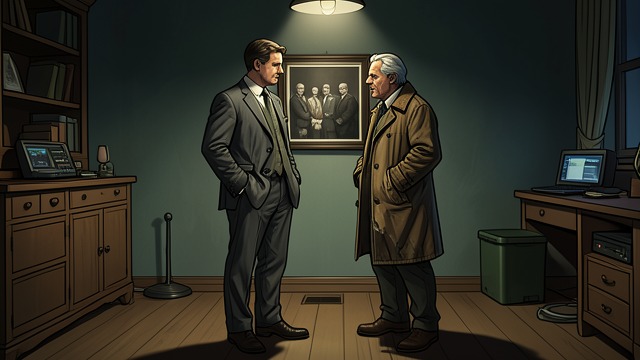
A Family of Public Causes
Shared engagement
Robert and Frank were drawn to civil liberties, labor, and anti-fascist causes. Their political circles overlapped, but Frank made a formal Party commitment that Robert avoided.
Family ties become evidence
Their closeness meant that investigators often treated one brother’s actions as evidence about the other. Affection became a liability in a system built to classify associations.
Frank’s Political Commitment
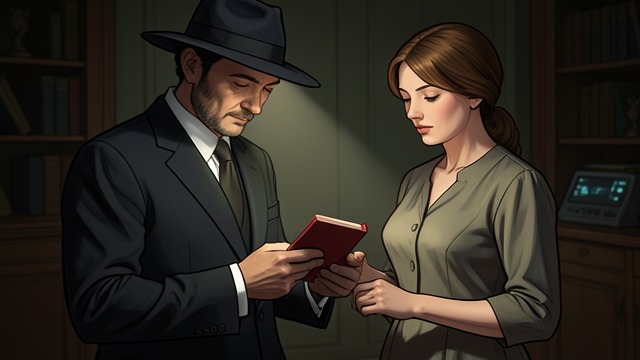
Frank’s Political Commitment
A deliberate choice
Frank and Jackie joined the Communist Party, motivated by economic injustice and anti-fascism. Frank’s membership was open to friends, although some Caltech associates kept theirs secret.
Robert’s unease
Robert was upset when Frank told him, partly because he feared for his brother’s academic future. Their political agreement did not mean Robert approved of Frank’s formal commitment.
Security Questions Reach the Family
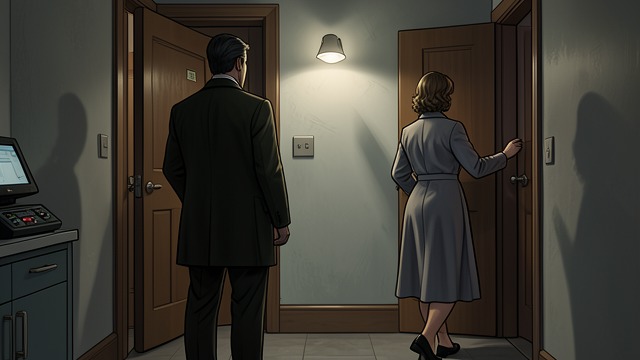
Security Questions Reach the Family
A watched household
Investigators questioned Frank’s associations and monitored his political contacts. Oppenheimer’s own role at Los Alamos made the family’s past a persistent concern.
A brother’s protection
Robert tried to shield Frank from security scrutiny, while Frank’s political identity remained his own. The brothers’ different decisions complicated efforts to protect each other.
Frank Testifies

Frank Testifies
A correction under oath
Frank admitted his former Communist Party membership after previously denying it to a reporter. He refused to name friends, insisting they were decent and well-meaning people.
A career ends
The University of Minnesota accepted his resignation shortly afterward. Frank’s candor did not protect him from the professional consequences of the era.
A Return Through the Exploratorium
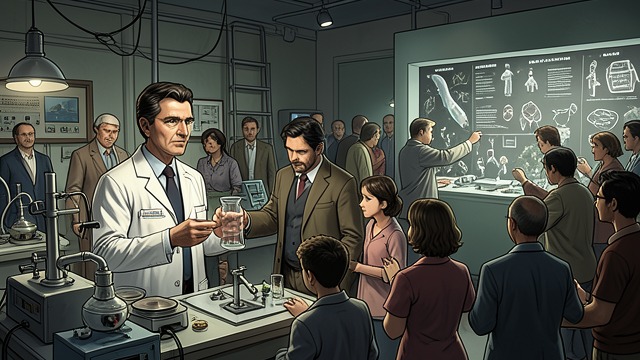
A Return Through the Exploratorium
A delayed return
Frank eventually returned to university science after years of ranching and exclusion. His experimental work and teaching again found an institutional home.
Science made public
With Jackie, he founded the Exploratorium, where visitors could handle exhibits and investigate scientific ideas. The museum embodied a more participatory ideal than the secret research culture that had marked his brother’s career.
1930s, during Depression-era activism
1937–1941, in Pasadena and California
1943–1947, during and after the war
June 1949, before HUAC
1959–1969, from Colorado back to academia
